Lower Secondary Science · Sec 1 & 2 · Jurong West

Secondary 1 & 2 Science Tuition in Jurong West

Build strong scientific foundations, understand key concepts, and develop confidence in Secondary 1 and 2 Science with Teachers Karen and Peng Rong.

Explore Science Resources

Meet Your Science Tutors

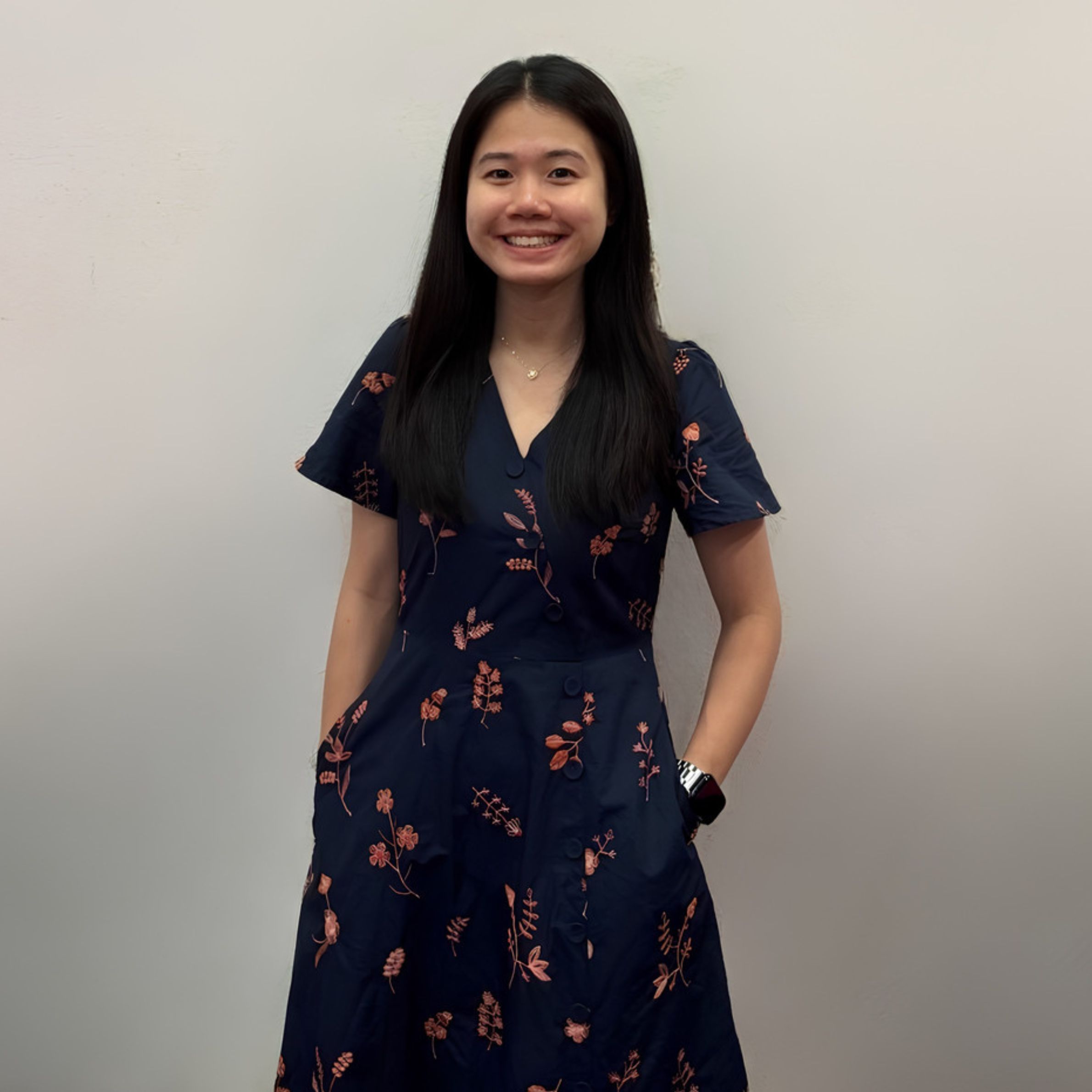
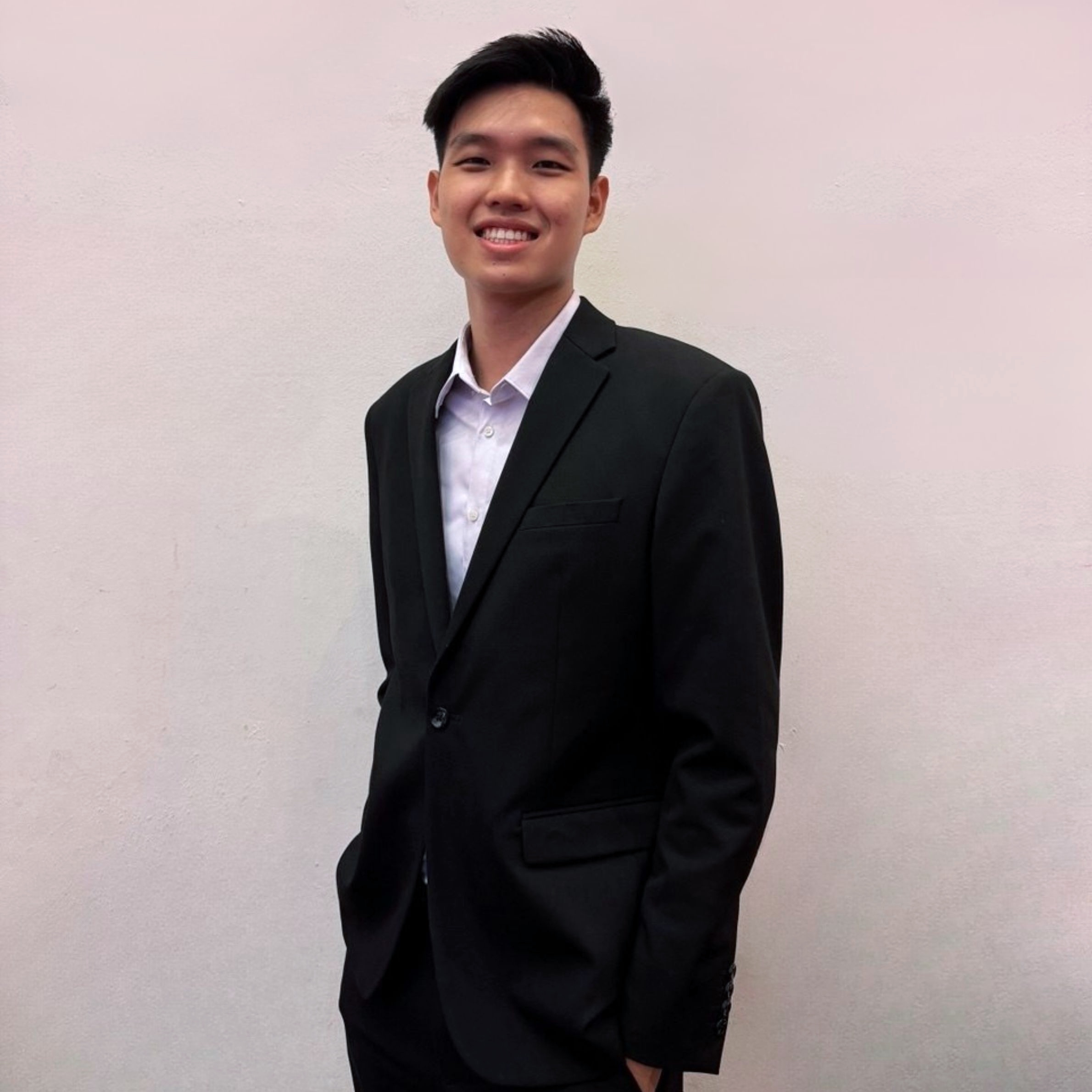
Lower Secondary Science is taught by Teachers Karen and Peng Rong.
Teacher Karen

Teacher Karen

  • Supports students in building confidence
  • Creates positive relationships with students
  • Uses clear, approachable explanations
Teacher Peng Rong

Teacher Peng Rong

  • Focuses on conceptual understanding
  • Helps students understand scientific reasoning
  • Uses practice and examination techniques to reinforce learning

Science Resources & Downloads

Official Lower Secondary Science Syllabus

MOE G2 & G3 Science

Official learning outcomes organised by themes: Scientific Endeavour, Diversity, Models, Interactions and Systems.

View / Download Syllabus

Science Revision Notes

Consolidated notes for lower secondary Science themes and key concepts.

Coming Soon

Secondary 1 & 2 Science Practice Papers & Solutions

Practice papers for Sec 1 and Sec 2 with worked solutions when available.

Coming Soon

Explore Lower Secondary Science

Themes follow the official MOE G2 & G3 lower secondary Science syllabus. Filter by year level—schools may cover topics in a different sequence. Official syllabus PDF

Year level

SE · Scientific Endeavour · Sec 1

Science as inquiry and laboratory skills

Safety in the lab, fair testing, variables, and recording observations accurately.

Key learning objectives
  • Apply basic laboratory safety rules.
  • Plan simple investigations with controlled variables.
  • Record and present experimental data clearly.

D1 · Diversity · Sec 1

Physical properties and composition of matter

States of matter, physical properties, and classification of materials.

Key learning objectives
  • Describe properties used to classify matter.
  • Relate particle arrangement to properties of states of matter.

D2 · Diversity · Sec 1

Separation techniques

Filtration, evaporation, distillation, chromatography and magnetic separation.

Key learning objectives
  • Select suitable methods to separate mixtures.
  • Explain how each technique works in terms of particle behaviour.

D3 · Diversity · Sec 1

Cells as basic units of life

Plant and animal cells, specialised cells, and the use of microscopes.

Key learning objectives
  • Identify main organelles and their functions.
  • Relate cell structure to function in specialised cells.

M1 · Models · Sec 1, Sec 2

Ray model of light

Reflection, refraction, and images formed by mirrors and lenses.

Key learning objectives
  • Draw ray diagrams for plane mirrors and simple lenses.
  • Explain formation of images using the ray model.

M2 · Models · Sec 2

Particle model of matter

Particles in solids, liquids and gases; changes of state and diffusion.

Key learning objectives
  • Use the particle model to explain properties and changes of state.
  • Describe diffusion in terms of particle movement.

M3 · Models · Sec 2

Atoms and molecules

Elements, compounds, mixtures, and simple chemical formulae.

Key learning objectives
  • Represent substances using names and simple chemical formulae.
  • Differentiate elements, compounds and mixtures.

I1 · Interactions · Sec 1, Sec 2

Forces and energy

Types of forces, friction, gravitational force, work, energy and power.

Key learning objectives
  • Describe effects of forces on objects.
  • Relate work done to energy transfer.

I2 · Interactions · Sec 2

Heat and temperature

Thermal energy transfer by conduction, convection and radiation.

Key learning objectives
  • Differentiate heat and temperature.
  • Explain transfer mechanisms in everyday contexts.

I3 · Interactions · Sec 2

Chemical changes

Signs of chemical reactions, word equations, and simple reactions of acids.

Key learning objectives
  • Identify evidence of chemical change.
  • Write word equations for simple reactions.

I4 · Interactions · Sec 2

Electrical systems

Current, voltage, resistance, series and parallel circuits.

Key learning objectives
  • Construct and interpret simple circuit diagrams.
  • Explain behaviour of series and parallel circuits.

SY1 · Systems · Sec 2

Human digestive system

Organs of digestion, enzymes, and absorption of nutrients.

Key learning objectives
  • Describe functions of major digestive organs.
  • Explain how enzymes aid digestion.

SY2 · Systems · Sec 2

Transport in humans

Heart, blood vessels, blood components, and the circulatory system.

Key learning objectives
  • Describe the path of blood through the heart and lungs.
  • Relate structure of blood vessels to function.

SY3 · Systems · Sec 2

Respiratory system

Breathing, gas exchange, and the effects of smoking on the lungs.

Key learning objectives
  • Explain how oxygen and carbon dioxide are exchanged.
  • Describe effects of harmful substances on the respiratory system.

SY4 · Systems · Sec 2

Interactions within ecosystems

Food chains and webs, energy flow, and human impact on environments.

Key learning objectives
  • Describe feeding relationships in ecosystems.
  • Discuss human activities that affect biodiversity.

Our 5-Step Science Mastery Journey

Build foundations, reinforce concepts, practise questions, and grow examination confidence step by step.

  1. Students begin each new chapter by building foundational understanding and writing notes alongside their teacher.

Tuition Fees

Secondary 1

$240/month

$30/hour

Secondary 2

$256/month

$32/hour

Monthly fees are calculated based on 4 lessons per month, with each lesson lasting 2 hours (8 hours total).

Contact Teacher Karen or Teacher Peng Rong via WhatsApp.

Frequently Asked Questions

Who are the Science classes for?

Our Lower Secondary Science tuition classes are designed for Secondary 1 and Secondary 2 students.

Who teaches Lower Secondary Science?

Lower Secondary Science tuition is offered by Teachers Karen and Peng Rong. Contact either teacher to enquire about class arrangements.

Where and when are classes held?

Classes are held at Tuition @ Pioneer, just a 2-minute walk from Pioneer MRT. Please WhatsApp Teacher Karen or Teacher Peng Rong for specific class details.

Ready to Build Science Confidence?

Strengthen Sec 1 & 2 Science foundations with Teachers Karen and Peng Rong near Pioneer MRT.

Tuition @ Pioneer, Jurong West